
 Get Premium
 LCK
 Dplus Kia
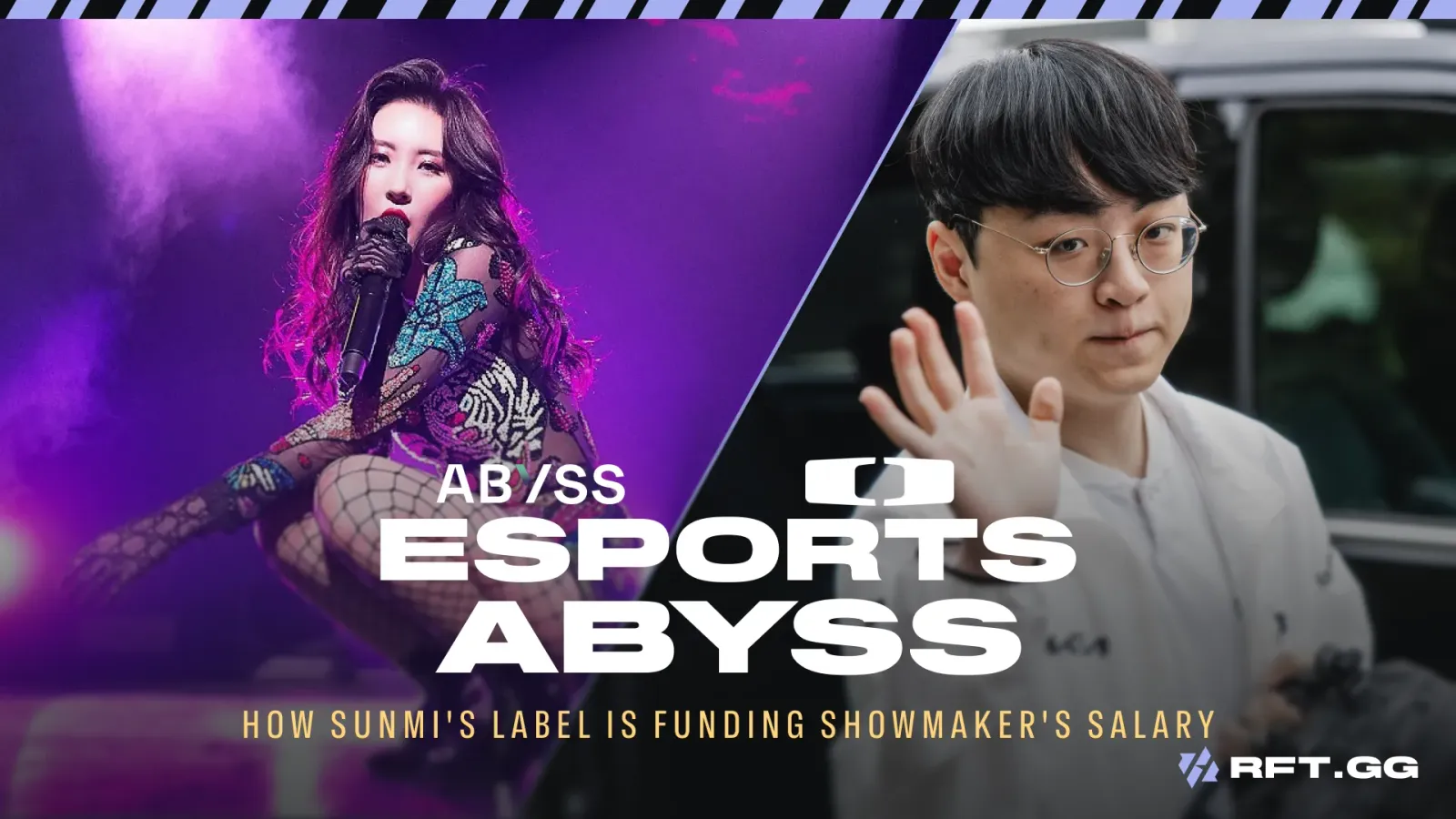
For K-pop sleuths, you're familiar with a Korean agency called ABYSS that manages artists like Sunmi and Melomance. But only the true insiders know that this same agency also owns Dplus Kia.
We took a look at the agency's accounts, which unsurprisingly paint a picture of costly esports.
ABYSS, the star agency of Gangnam
Let's start with what's going well. Abyss Company is a talent agency based in Seoul's upscale Gangnam district. Its activities span music, advertising, events, management, and audiovisual productions built around its talents.
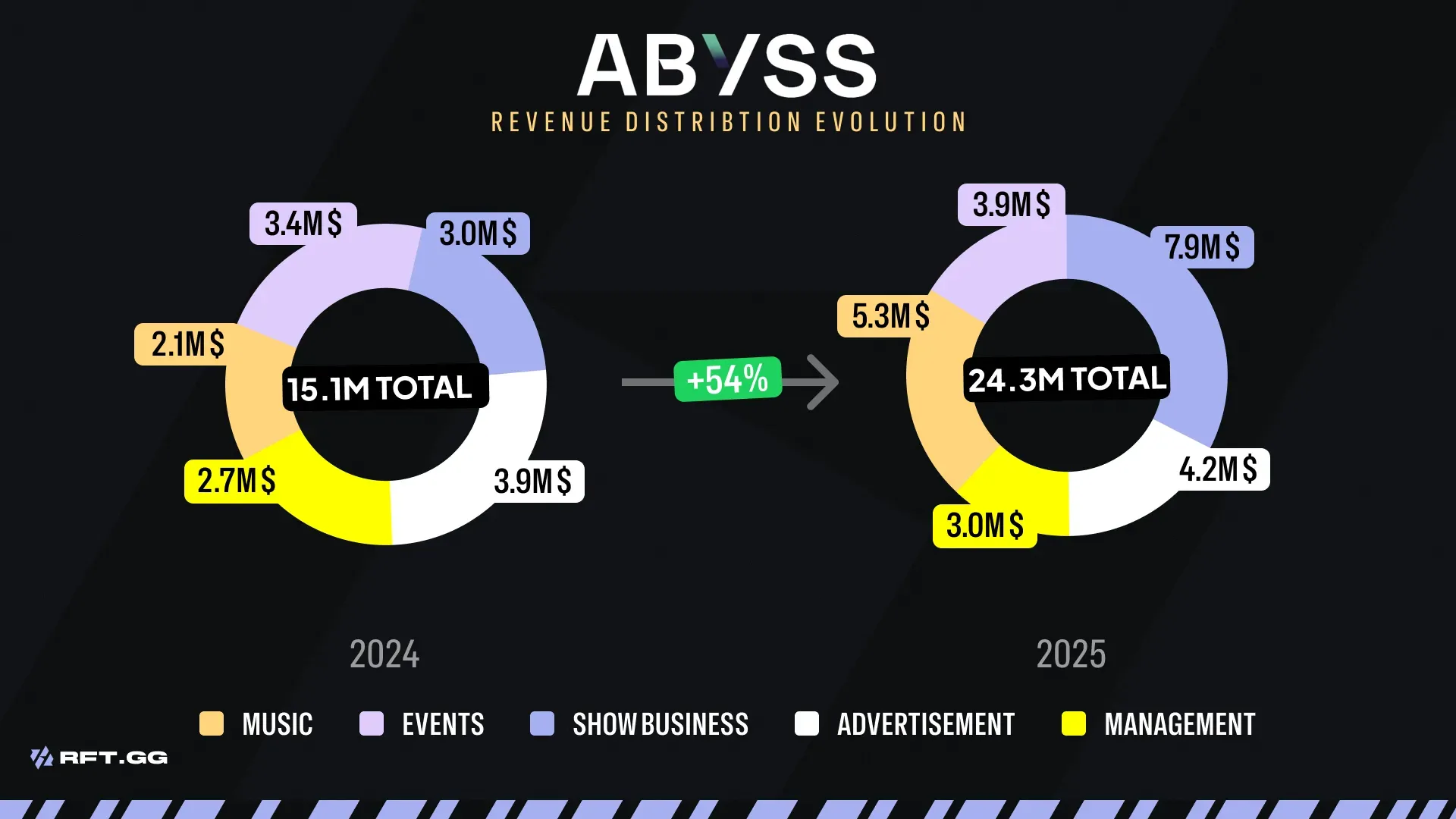
Abyss posted revenue of $23.9M in 2024 (+54% YoY). Profit reached $8M in 2024, up from $4.4M the previous year. Abyss is performing, and more broadly, the K-pop entertainment agency model is paying off.
The weight is called ADE Sports
Within Abyss's accounts, one subsidiary is wholly owned (100%): ADE.
A bit of digging links it to Damwon Gaming, now Dplus KIA. The subsidiary is consolidated using the equity method, meaning its losses flow directly into Abyss's bottom line, line by line.
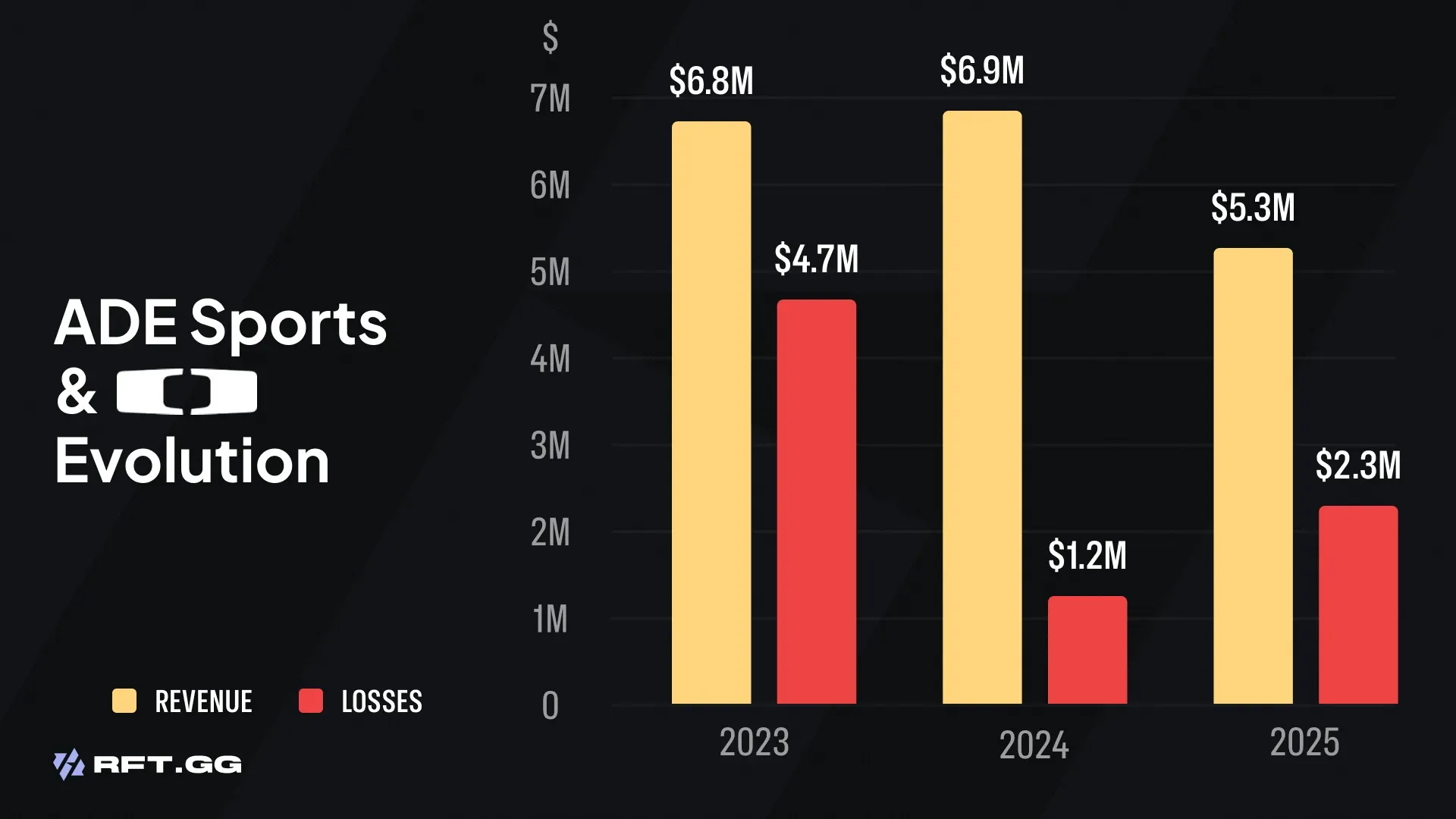
Over two financial years, DK has cost its parent company more than $6.7M — an amount that at the time exceeded the agency's entire revenue and closely matches the club's own 2023 revenue of roughly $6.8M. What Sunmi, Melomance, and the other artists brought in wasn't enough to cover what the esports club swallowed on the other side of the balance sheet.
The reverse calculation is telling: without Dplus, Abyss is profitable. K-pop operating profit does exist, it's simply being absorbed by esports. Beyond the losses themselves, it's the support mechanism that raises eyebrows.
By the end of 2024, the tab reaches $8.0M, and in its accounts, Abyss acknowledges that roughly 70% of that sum will likely never be recovered.
AD Esports' 2025 revenue fell by more than 25% to ~$5.3M. Sponsorship held up, but fan business and prize money collapsed due to sporting underperformance. Operating losses doubled to ~$2.3M despite a 15% reduction in esports-related costs.
The K-pop × Esports connection
On paper, the idea made sense. Korea is the only country where K-pop and esports are both first-tier cultural industries, with audiences that look alike: young, connected, and fans of personalities.
Bringing idols and pro players under the same roof, cross-pollinating audiences, mutualizing marketing, and leveraging commercial synergies — the pitch sounded compelling. Compelling enough, at least, to push Abyss's valuation to $74M in December 2021 during a funding round, one year after Damwon's world title.
Except in practice, the convergence never really happened. A K-pop agency lives off music rights, endorsement deals, and ticketing — relatively stable revenues once an artist is established. An esports club, on the other hand, depends on uncertain prize money, results-linked sponsors, and league revenues set by Riot Games, all while paying some of the highest player salaries in the world. The two business models are more opposed than complementary.
One thing we do know, however, is that a world-champion LCK club retains a brand value that's hard to quantify but very real, and that its LCK slot remains a valuable asset. Whether directly or indirectly tied to the esports arm's situation, the agency's latest 2025 funding round valued Abyss at around $40M.
Sources: DART - Financial statement ABYSS / ADE Sports
Comments (0)