
 Get Premium
 LCS
 LCS Spring 2026

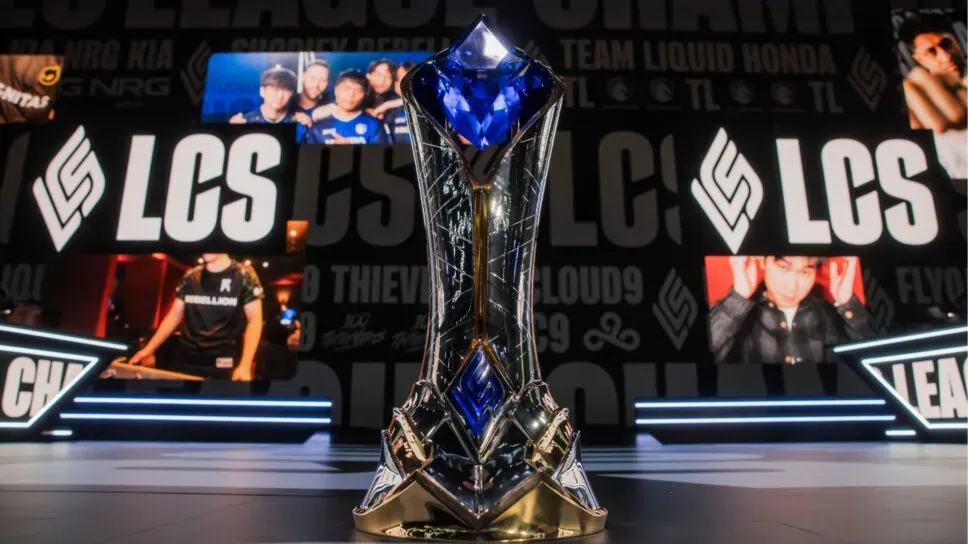
The LCS Spring Finals driven by Kia will take place on June 13 and 14 in Tempe, Arizona, at Arizona State University. This event will close the Spring Split and crown the best North American League of Legends team of the season.
LYON has already secured its place in the Grand Final after a dominant 3-0 victory over Cloud9 Kia in the Upper Bracket Final. The other key match of the weekend will be the Lower Bracket Final between Cloud9 and Team Liquid. The winner will not only qualify for the Mid-Season Invitational, but will also advance to the Grand Final to face LYON for the LCS Spring Split title and North America's first seed at MSI.
A weekend of competition and fan activities
The weekend will be split across two days. On Saturday, June 13, fans will attend the Lower Bracket Final. On Sunday, June 14, the Spring champion will be decided in the grand final. After the final match, the winning team will lift the trophy, and the Kia MVP award will be given to the best-performing player.
The LCS Spring Finals are not only about the games. The event will also include fan experiences such as team booths, merchandise stands, cosplay, panels and community activities.
A growing link between esports and education
The decision to host the event at Arizona State University highlights the increasingly close relationship between esports and higher education in North America. ASU has invested heavily in programs focused on gaming, media and digital creation, making it a natural venue for a major League of Legends event.
This connection is already visible within Riot’s ecosystem through the North American Challengers League (NACL), where collegiate programs and amateur talent pathways play an important role in player development. Several professional players have come through the collegiate scene, including Micheal "Cryogen" Luu, who competed for Maryville University before joining FlyQuest in the LCS this year.

The LCS Spring Finals promise to be a key moment for North American League of Legends. Beyond the competition itself, the event reflects the broader evolution of the region’s esports scene and its growing integration into established institutions.
Comments (0)